
Breast surgery
- Treatments
- /
- Aesthetic Surgery
- /
- Breast surgery
Breast surgery covers a range of procedures for women and men, with each person’s needs and reasons being unique. For some, surgery is an important part of treating or preventing breast cancer. For others, it can be a personal choice, aimed at enhancing or reshaping the breasts for improved comfort, confidence, or symmetry.
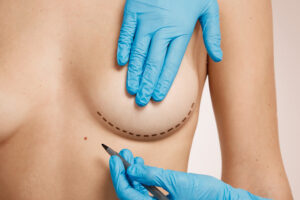
No matter the reason, it’s essential to understand your options and what each procedure involves. Whether you’re exploring surgery for health reasons or considering a cosmetic change, our goal at MCG Health Tourism Services is to provide clear, supportive information to help you make the best decision for your body and your well-being.
Types of breast surgery
Breast Augmentation (Augmentation Mammoplasty)
This procedure aims to increase breast size, enhance shape, and improve overall contour. It can be achieved using breast implants (saline or silicone) or through fat grafting (fat-graft mammoplasty), which involves transferring fat from another part of the body to the breasts.
Breast Reduction (Reduction Mammoplasty):
Designed to reduce the size and weight of large breasts, this surgery removes excess breast tissue and skin. The goal is to alleviate physical discomfort (such as back, neck, or shoulder pain) and restore a breast size in better proportion to the patient’s body.
Breast Lift (Mastopexy):
This procedure addresses sagging breasts by reshaping and repositioning the breast tissue and nipple-areola complex. A breast lift can restore a more youthful and elevated breast contour, improving overall breast shape and projection without necessarily changing breast volume.
What to expect
Customization
Recovery timeline
Risks
FAQs
Who is a good candidate for Breast Augmentation?: Ideal candidates are typically women who desire to increase their breast size, improve body proportion, or achieve better symmetry. This often includes individuals looking to enhance their clothing fit or those who have experienced significant changes in breast shape, size, and appearance due to pregnancy, breastfeeding, or weight fluctuations.
Who is a good candidate for Breast Reduction?: Women who experience physical symptoms such as chronic back, shoulder, or neck pain, skin irritation under the breasts, or discomfort during physical activity due to overly large breasts are often excellent candidates. The procedure can significantly improve comfort and quality of life.
Who is a good candidate for a Breast Lift (Mastopexy)?: Women dissatisfied with the shape, position, or symmetry of their breasts, often due to factors like aging, pregnancy, significant weight loss, or genetics, may benefit from a breast lift. It’s suitable for those whose nipples point downwards or whose breasts lack projection.
As with any surgical procedure, there are inherent risks, including,
General surgical risks: Bleeding, infection, adverse reaction to anesthesia, poor wound healing, visible scarring.
Specific to breast surgery: Seroma (fluid accumulation), hematoma (blood collection), changes in nipple sensation (loss or increased sensitivity), asymmetry, and delayed healing.
Specific to breast implants: Capsular contracture (scar tissue hardening around the implant), implant rupture or deflation, malposition, and rippling.
Get plenty of rest and listen to your body.
Eat a healthy, balanced diet to promote healing.
Avoid heavy lifting, strenuous activities, or driving until cleared by your surgeon.
Wear a supportive surgical bra as instructed.
Sleep on your back to avoid pressure on your chest.
Use ice packs to reduce swelling as recommended.
Carefully follow your surgeon’s post-operative instructions and attend all follow-up appointments.


MCG Health Tourism Services is a medical tourism agency offering high-quality medical treatments with excellent service and infrastructure in Colombia; focused on improving the health and wellbeing of people in the United States.
Our Services
Copyright © 2025
MCG Health Tourism Services
All rights reserved.