Surgical reconstructive approach in a case of complex palatine duplication
Duplicated palate is a rare congenital condition often linked with other facial malformations. This case report describes a patient treated...
Cleft lip and cleft palate are common congenital conditions where splits or openings develop in a baby’s upper lip or the roof of the mouth (palate) during early fetal development. This happens when the facial tissues don’t join properly, resulting in visible gaps that affect appearance, feeding, speech, and dental development. While a child can have just a cleft lip or only a cleft palate, it’s most common for both conditions to occur together.
Colombia is internationally recognized for its expert cleft surgeons, modern hospitals, and humanitarian programs helping children receive life-changing care. Families benefit from a multidisciplinary approach, including plastic surgeons, orthodontists, speech therapists, and psychologists—essential for optimal recovery and development.
Colombia stands as a Latin American leader in providing advanced, compassionate, and accessible surgical solutions.
Renowned for its highly skilled surgeons and multidisciplinary care teams, Colombia offers world-class treatment for both local families and international patients. From the initial diagnosis to the final reconstructive procedures, understanding the journey is the first step toward a brilliant new smile for your child.
Understanding the Surgical Journey in Colombia: Cleft Lip and Palate Repair.
In Colombia, the surgical approach to cleft repair follows globally recognized best practices, prioritizing your child’s safety, function, and long-term well-being. The process is typically performed in two main stages by specialized pediatric plastic and maxillofacial surgeons.
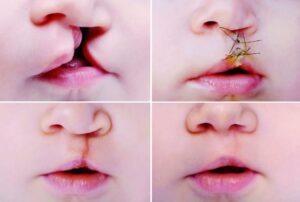
Typically performed when an infant is 3 to 6 months old, cleft lip repair closes the separation in the upper lip and restores natural shape and function. During surgery, the surgeon carefully creates incisions along the cleft’s edges, repositions the lip muscles, and uses fine stitches to rebuild the lip and often improve the appearance of the nostril.
Cleft palate surgery generally takes place between 9 to 18 months of age, often before a child learns to speak. The surgeon delicately rearranges and stitches together the palate tissues, successfully sealing the gap between the nose and mouth. This procedure greatly improves feeding, speech development, and hearing.
Children with cleft conditions may need more than one surgery. As they grow, procedures like bone grafts for the gumline, nasal repairs, or jaw surgery may be recommended to ensure healthy dental and facial development.
Full recovery from cleft lip surgery takes about 4 weeks. Cleft palate surgery can take slightly longer due to its complexity. Following all post-op instructions is the key to a successful outcome.
While cleft repair is a very safe and routine procedure in the hands of an experienced Colombian surgical team, all surgeries carry potential risks. These include bleeding, infection, adverse reactions to anesthesia, or breathing difficulties immediately post-op. The most specific risk is the potential need for future revision surgeries to further improve function or appearance. Your surgeon will discuss these risks with you in detail.
Cleft lip repair: usually at 3–6 months old.
Cleft palate repair: typically at 9–18 months old, often before speech starts.
Additional surgeries for the nose, jaw, or gum are considered during childhood or adolescence for best results.
Most children stay in the hospital for 1–2 days after surgery.
It’s normal to experience some fussiness, swelling, or minor bleeding during early recovery.
Feeding may be challenging at first; medical teams provide specific feeding instructions and support.
Children are usually prescribed pain medicine and antibiotics, with careful at-home care instructions provided.
Recovery takes about 2–4 weeks, but palate repair may take longer due to its complexity.
Yes, cleft surgeries in Colombia are safe and follow international standards. Risks are similar to any surgery: bleeding, infection, breathing problems, or the potential need for further procedures.
Parents receive detailed guidance on feeding, wound care, medication, and activities to help their child heal comfortably. Regular follow-up appointments track healing, speech progress, and dental health.
Duplicated palate is a rare congenital condition often linked with other facial malformations. This case report describes a patient treated...
Airway management in craniomaxillofacial surgery can be challenging when jaw relationships are altered, as nasal intubation is often difficult and...
Our blog Deferral of the recipient site in the reconstruction of facial defects In craniofacial surgery, soft tissue reconstructions are...
MCG Health Tourism Services is a medical tourism agency offering high-quality medical treatments with excellent service and infrastructure in Colombia; focused on improving the health and wellbeing of people in the United States.
Copyright © 2025
MCG Health Tourism Services
All rights reserved.